What to Expect from a Bedouin BBQ Dinner Camp in the Dubai Desert
An Evening Beyond the Dunes
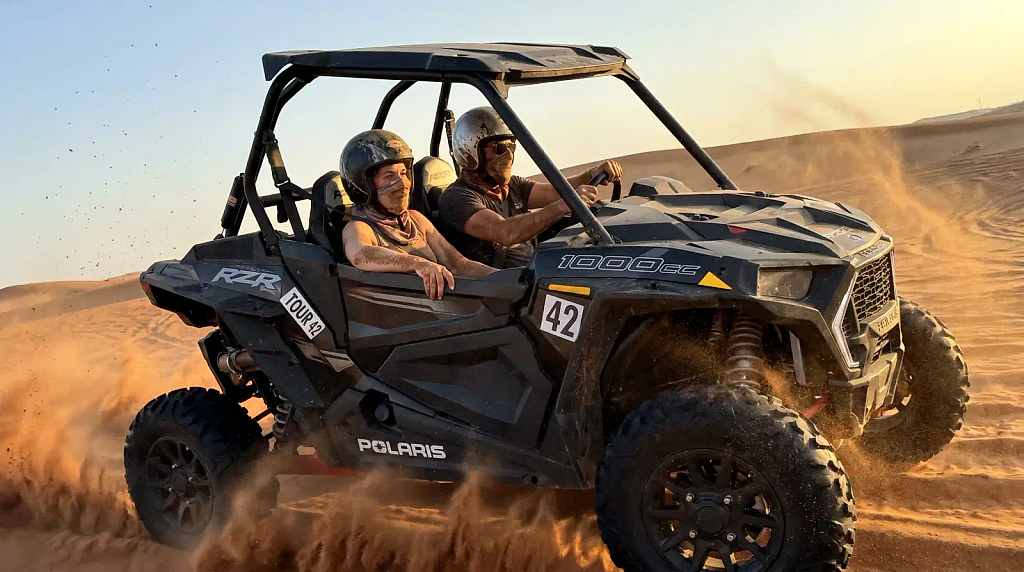
The first time I pulled into a Bedouin BBQ dinner camp after a long afternoon of dune bashing, I was not sure what to expect. The sun was dropping behind the Lahbab red dunes, and the air had that quick cool that hits you the moment the desert loses its heat. I had spent the day driving a buggy across sand ridges, feeling every bump and drop, and my arms were still buzzing from the steering wheel. The camp itself sat in a shallow bowl between two tall dunes, lanterns already glowing along the edges of a wide carpeted area. It looked like a small village had been set up just for the night, with low tables, cushions, and a central fire pit where smoke rose straight up into the purple sky.
You get a very different side of the desert at night. The silence settles in between the sounds of laughter and the crackle of wood. People who have just spent hours racing dunes suddenly slow down, sit cross-legged, and share stories over cups of sweet tea. That is the real draw of a bedouin bbq dinner camp. It is not just a meal. It is the transition from adrenaline to calm, from speed to stillness, and from solitary driving to shared company.
How the Evening Unfolds
Most camps follow a similar rhythm, but the quality varies a lot depending on who runs them and where they are set up. A good camp respects the desert. You arrive as the light fades, and you are welcomed with dates and Arabic coffee or juice. That first ten minutes matters. If the welcome feels rushed or the staff seem distracted, the whole evening can feel manufactured. The best camps take their time, letting you settle onto a cushion, take in the view, and watch the last light drain from the dunes before anything else starts.
After welcome drinks, there is usually an open stretch of time for activities. Some camps offer henna painting, others have a small falcon or a camel tethered nearby for photos. The henna is worth trying even if you think it is touristy. The patterns dry quickly and last a few days, and the women who apply them often have real skill. Falcon stations can feel a bit stiff if the handler just holds the bird up for a picture, but a good guide will tell you about the bird's hunting style and how falconers train them. That kind of detail makes the experience feel grounded in the culture rather than staged for a photo op.
Entertainment and Atmosphere
Dinner is preceded by entertainment, usually a tanoura dance and a fire show. The tanoura dancer spins for a long time, his skirt flaring in a wide circle, and the effect is hypnotic if you let yourself watch without distraction. Fire performers do the usual tricks with flaming torches and poi, but the skill level varies. Some camps hire genuine performers who have trained for years. Others hire anyone who can spin a stick without dropping it. You can usually tell within thirty seconds which one you have got.
The fire show can be loud, with sudden drum beats and cheers, but it works because the open desert absorbs sound differently than a closed room. The flames look brighter against the black sky, and the performers feed off the energy of the crowd. I have seen experienced fire spinners adjust their choreography based on wind direction, which takes real awareness. Those small moments of professionalism make the evening feel less like a script and more like a living performance.
The Food: Barbecue Under the Stars
The main event is the barbecue dinner, and this is where camps separate themselves. A basic camp serves pre-grilled chicken and rubbery rice from chafing dishes. A good camp cooks the meat over open coals, with smoke rising past the diners, and the smell hits you before the plate does. You should expect lamb or chicken, grilled kebabs, hummus, tabbouleh, fattoush, and fresh bread. Some camps also serve grilled fish or a vegetarian option if you ask ahead, but the default is meat-heavy, which suits most of the crowd after a long day in the sun.
One thing I have learned: the best food comes from camps where the grill master has been doing this for years and treats the fire seriously. I watched a man in one camp adjust the coal bed with a metal rod, moving pieces around like a chess player, never rushing. His meat came off the fire juicy, with a proper char, not steamed under a lid. That attention to detail makes the difference between a forgettable dinner and a meal you remember for months.
Dessert is usually sweet pastries or fresh fruit, and tea follows. The tea is strong, boiled with cardamom and saffron, and it cuts through the richness of the meat. You sit there, cradling a warm glass, and the conversation turns lazy. That is the point. The whole evening is designed to wind you down from the desert's intensity into a state where you are just present.
Who Should Book a Bedouin Dinner Camp
Not everyone needs to book a bedouin BBQ dinner camp after a desert excursion. If you are the type who wants to maximize driving time and does not care about cultural touches, you might prefer to eat at a restaurant back in town. But for most people who visit the desert, the camp adds a layer that the driving alone cannot provide. It gives context. You feel the desert not just as a playground but as a place where people have gathered for centuries, sharing food and stories under the same stars.

Families with children do well here. Kids get tired after an hour of dune bashing, and the camp gives them a safe space to run around, get their hands painted, and watch the fire show. Couples often enjoy the quieter edge of the camp, sitting a little apart from the main group, sharing a plate of grilled meat without rush. Solo travelers sometimes worry that a camp will feel awkward, but the communal seating makes it easy to talk to neighbors. I have seen strangers become friends over a shared plate of hummus and a laugh about a failed attempt to ride a camel.
What to Look for in a Camp
If you are arranging your own desert trip and want to add a dinner camp, there are a few details worth checking before you book. The location matters more than most people think. A camp tucked too close to the road loses the feeling of remoteness. You want one that sits deep enough in the dunes that the only lights are the camp's own lanterns and the stars above. The quality of the food is obviously key, but so is the pacing. A rushed camp that crams dinner into thirty minutes feels like a cafeteria. A good camp lets the evening breathe, with gaps between courses and time for conversation.
Cleanliness is another factor. The desert is dusty by nature, but the washrooms should be maintained and the eating area should have clean tablecloths or cushions. If the camp feels neglected before dinner starts, the kitchen situation is likely worse. I once visited a camp where the cushions smelled of old sweat and the carpets had visible sand from the previous night. The food was decent, but I could not shake the feeling of grime. That camp had good reviews online, which tells me that standards vary widely and you should trust your own eyes when you arrive.
The Connection to Your Desert Day
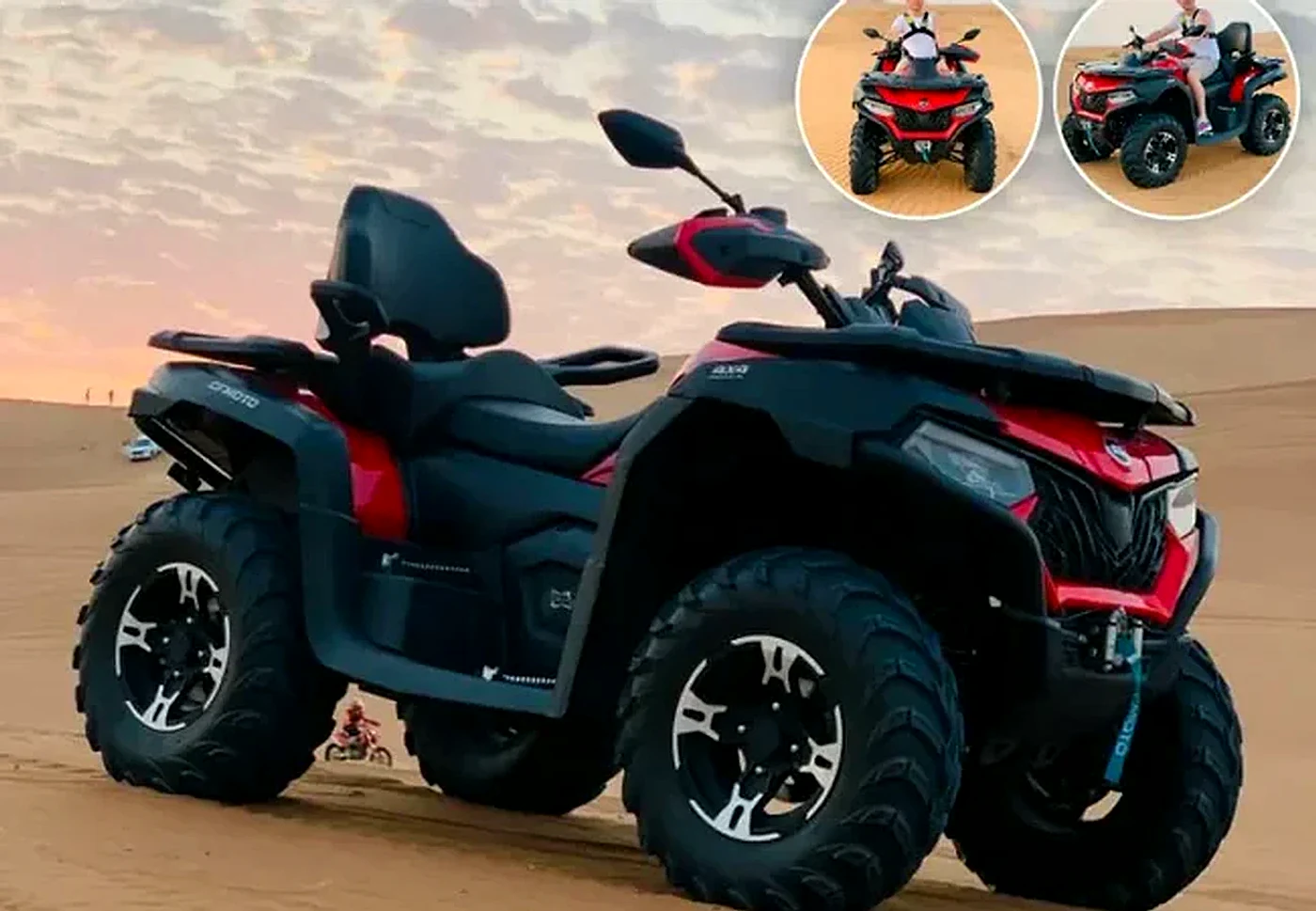
The best desert experiences combine driving and dining in a way that feels seamless. That is why the phrase "Desert Buggy Rental bedouin bbq dinner camp" exists in the local tourism vocabulary. It describes a complete evening: you drive the buggies through the red dunes, then end up at a camp where the same team that guided your ride now serves you dinner under the sky. The continuity matters. When the guides who took you through the dunes also greet you at the camp, the whole experience feels coherent. You are not just a customer moving from one vendor to another. You are a guest moving through a single journey.
I have done this combination several times, and the best versions have guides who shift roles naturally. During the drive, they are all business, signaling turns and watching the group. At camp, they become hosts, pouring tea and telling jokes. That range requires a certain kind of person, someone who understands both the technical side of off-road driving and the hospitality side of desert culture. Not every company manages that balance, but the ones that do create evenings that stay with you.
Final Thoughts on the Experience
A bedouin BBQ dinner camp is not a luxury resort dinner. It is a camp. The seating is low, the plates are shared, and the wind occasionally throws a little sand onto your food. That is part of the deal. If you go expecting white tablecloths and silent service, you will be disappointed. But if you go expecting a warm, slightly chaotic, deeply human evening where the desert becomes your dining room, you will leave full in more ways than one.
The Desert Buggy Rental bedouin bbq dinner camp combination works because it respects the desert's two faces. During the day, the dunes are a challenge, a terrain to conquer. At night, they become a backdrop, a quiet witness to the simple act of eating together. That contrast is what makes the experience worth doing. You earn your dinner by driving through the sand, and then you sit down and let the desert hold you for a few hours before heading back to the city lights.
Follow Desert Buggy Rental on
 Facebook
 Instagram
 YouTube
 Pinterest